


Browse around

Hello!
Online Growth Expert. Boy mom. Queen of snacks.
I'm Hailey
I'm here to help you step out of the daily grind and build leverage beyond the treatment room, so your business supports your life,
even while you're busy being a super mom, leader, and healer!

The email platform I use to nurture + sell.
Kit

Where I host my online programs + communities.
Heartbeat

My website platform for beautiful, flexible websites
showit

Where I organize projects, assign tasks, & keep track of everything
asana

Freedom Starts Here.
Book your expansion session today, and we’ll take a look at your existing business and diagnose what’s holding you back from getting the results you’re after

Tools I love
From PCOS and Endometriosis to a Healthy Pregnancy
Posted In
August 13, 2026
Posted On
Listen Now! Apple | Spotify | YouTube
Dr. Morgan Hope looked like the picture of health. She was a college athlete, active every day, the friend everyone called a “health nut.” Behind the scenes, she was cycling through antibiotics for months at a time, managing skin issues with prescription creams, and living on birth control to mask periods so painful she couldn’t get through a school day. When she finally came off the pill after nearly a decade, her body didn’t just fail to bounce back, it took months to get a period at all, and when it did, everything she’d been suppressing came back at once, worse than before. What followed was a diagnosis of endometriosis and PCOS, doctors suggesting a hysterectomy in her early twenties, and years of work to reclaim her fertility, her hormones, and eventually, a healthy pregnancy she wasn’t sure would ever happen.
What Really Happens When You Stop Long-Term Birth Control?
For a lot of women, coming off birth control means a few rocky months before cycles even out. For Dr. Morgan Hope, it meant everything she’d been suppressing for almost ten years came back at once, and worse than before.
After stopping the pill following nearly a decade of use, her period didn’t return for months. When it did, cycles stretched 70 to 80 days apart, followed by heavy bleeding, migraines, and blood sugar instability that had been masked the entire time she was on it. She started bouncing between specialists in Atlanta, none of whom communicated with each other, and several suggested she simply go back on birth control or consider a hysterectomy in her early twenties.
“My hormones were a train wreck.”
It wasn’t until a classmate pushed her toward more in-depth lab work, the kind her previous doctors hadn’t run, that she got real answers: hormonal imbalance, gut dysfunction likely tied to years of antibiotics and the pill, mold toxicity, and liver dysfunction. Nobody had connected the pattern before. She wants women considering long-term birth control, especially teenagers just starting it, to know that symptom suppression isn’t the same as being healthy, and that if cycles don’t normalize afterward, it’s worth digging deeper rather than assuming it’s just how their body is.
Is Surgery the Only Option for Endometriosis and PCOS?
Dr. Morgan Hope doesn’t sugarcoat this part. Her own endometriosis and adenomyosis had progressed to the point that tissue had fused organs together, and she needed surgery herself. There was a point, she says, where it was the only roadblock left.
But she doesn’t think surgery or hormone blockers should be the first, or only, option on the table. In her practice, she tracks patients with mild PCOS whose cysts physically shrink over time through diet, lifestyle, and targeted support, without ever needing a procedure. For patients who do need surgery, she stresses preparing the body beforehand and doing the “cleanup” work afterward, so the same growths don’t just reform and lead to another surgery next year.
“I’ll never come back. This is the one time I’m ever going to get this, and I promise you that I’m never letting these things form in my body ever again.”
That’s what she told her surgeon at the time. Years of consistent work later, she hasn’t needed to go back. She encourages women facing an endometriosis or PCOS diagnosis to ask what’s driving the growths in the first place, not just what procedure will remove them this time.
What Everyday Toxins Are Hiding in Our Homes and Food?
Dr. Morgan Hope traces a lot of this back to how casually birth control gets introduced to young girls, often with no conversation about future fertility risk. From there, she sees the same blind trust playing out everywhere else: beauty products marketed to preteens, personal care aisles nobody questions, food ingredients nobody’s required to explain.
Part of that, she says, comes down to how little regulation actually exists. She points to roughly 10,000 chemicals permitted in U.S. food that are banned in other countries, and cites a stat that under 1% of all chemicals manufactured in the U.S. have ever been evaluated for safety.
“Under 1% of them have been evaluated for safety.”
Her point isn’t to induce panic, it’s that most families have simply never been told there’s a risk to question, because if something’s sitting on a store shelf, most people assume someone already checked it. She walks patients through reading labels for the first time and helps them make swaps gradually, one category at a time, rather than overhauling everything at once.
(This section includes statistics as cited by the guest during recording; see disclaimer below.)
Can Chiropractic Care Help With Colic and Kids’ Behavior Issues?
Dr. Morgan Hope sees this misunderstanding constantly: colic gets treated as something babies simply have to endure, when she considers it a symptom rather than a fixed diagnosis. She described a two-month-old patient with a traumatic birth history and cranial tension so significant it was affecting nervous system regulation. After a handful of gentle chiropractic visits, the baby’s mother reported he was smiling for the first time and had stopped crying for hours on end.
“He smiled. He’s never smiled. He’s like a new baby.”
She sees a similar pattern with kids labeled disruptive or prescribed medication for behavior, where diet, sugar, and dye intake are rarely part of the conversation before medication is. Her broader point for parents is that regulating a child’s nervous system, through chiropractic care, movement, sunlight, and reducing household toxin load, often resolves issues that get treated as standalone diagnoses.
A Note on the Health Information in This Episode
This episode includes personal health experiences and statistics shared by Dr. Morgan Hope based on her own research and clinical practice. It’s for educational purposes only and isn’t a substitute for individualized medical advice from your own provider.
About Dr. Morgan Hope
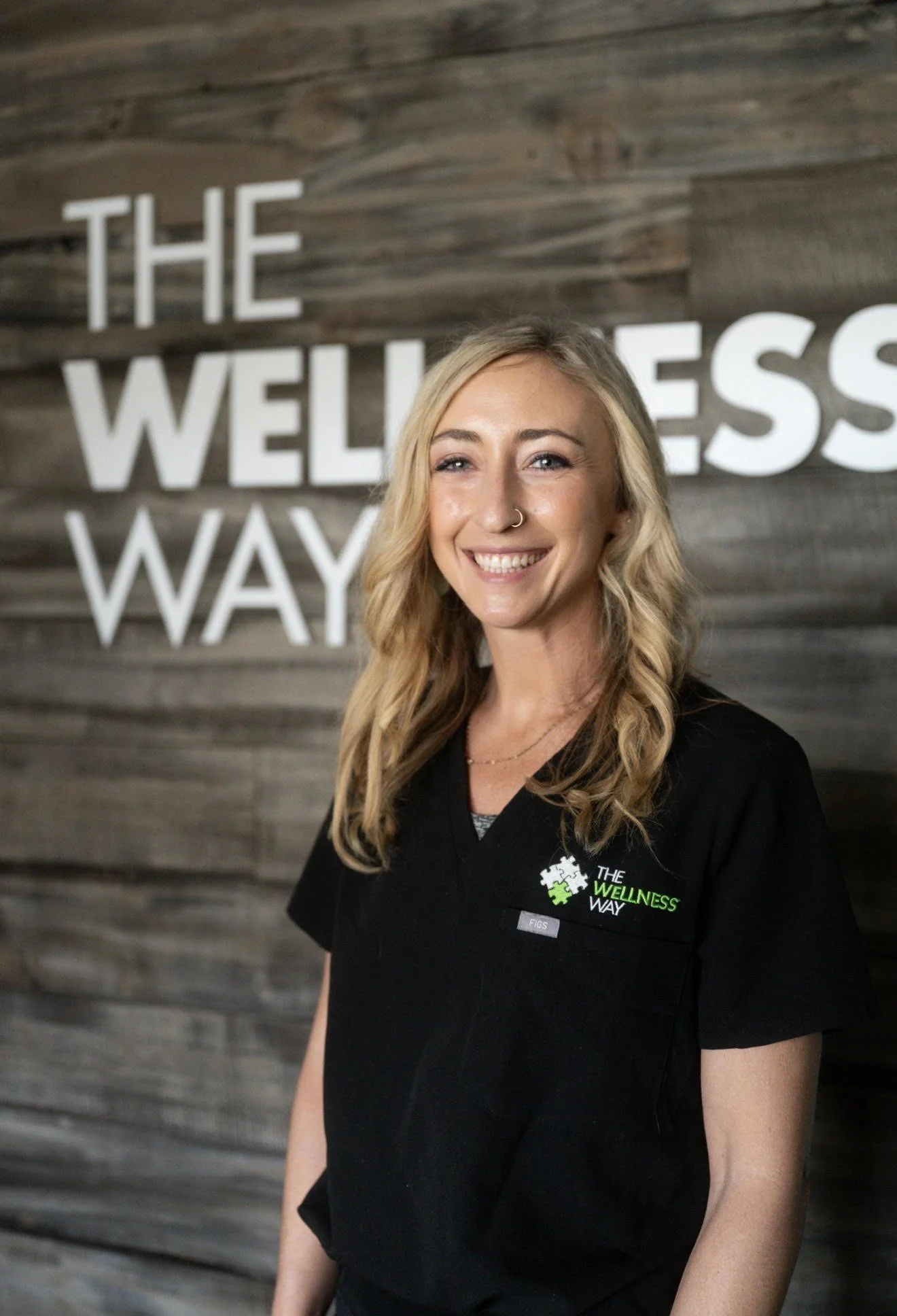
Dr. Morgan Hope is a perinatal and pediatric chiropractor at The Wellness Way in Eau Claire, Wisconsin, where she helps women, babies, and families through nervous system-focused care, hormone education, fertility support, nutrition, and lifestyle changes. She shares free resources through her Toxin-Free Living Facebook group and posts regularly on TikTok @Dr. Morgan Hope and Instagram @Doctor of Hope.
Quick Answers
Does coming off birth control always cause problems?
Not always, but for women who’ve been on it long-term, symptoms suppressed by the pill, like painful or irregular cycles, can return more severely once it’s stopped.
Is surgery always necessary for endometriosis or PCOS?
No. Dr. Morgan Hope has patients whose PCOS cysts shrink through lifestyle changes alone, though more severe cases of endometriosis may still require surgical intervention.
Can chiropractic care help a colicky baby?
Yes, according to Dr. Morgan Hope, colic is often linked to birth-related cranial or nervous system tension, and gentle pediatric chiropractic adjustments can bring noticeable relief within a few visits.
How many chemicals in U.S. food are banned elsewhere?
Dr. Morgan Hope cites approximately 10,000 chemicals permitted in U.S. food that are banned in other countries.
Keep the Conversation Going
If this episode gave you something to think about, tag me on Instagram, share it with a friend, or leave a review. That’s how we build stronger, healthier communities together, one practitioner, one story, one family at a time.
Pin
Share
6 Ways To Start Your Morning Off Right
Mind + Body

Chia Seed Recipes For Keto
NUTRITION

My Morning Matcha Recipe [Bonus Recipes]
nutrition

How I Changed My Entire Life in 365 Days
Motivation

5 Signs You Should Break Up With Social Media
Mind + Body

Mind + Body
How I Detoxed in Just 3 Days [Exact Steps]

You May Also
Previous Story
next Story


© 2026 Practitioners Rise. Site by Pracitioners Rise
Turn the expertise, education, and processes you use every day into a course, membership, or group program without adding more patients to your week.
Turn What You Know Into a Virtual Offer People Want to Buy
Join Me on Insta
